Foods That Keep Your Hair Healthy & Strong
Aftershave has long been a staple of the daily shave, sealing the skin after it’s been razored. In the past, aftershave was an astringent alcohol solution that caused an intense sting when applied to the face. Although alcohol is still used some of today’s aftershaves, many products now contain a wide range of different ingredients aimed at helping various skin issues. For more detailed information regarding healthy supplements visit signalscv.com.
Do I need aftershave?
The purpose of using an aftershave is to re-hydrate the skin once you’ve shaved, quite literally after the shave. This is because shaving can dry out the skin and cause it to feel tight and even a little prickly. That uncomfortable feeling is caused by a lack of moisture in the skin.In years gone by, men would slap a bit of cologne on their faces and call that an “aftershave”. We all know the stereotype of recreating the Macaulay Culkin Home Alone scream. Well, questionable parenting wasn’t the only thing Kevin McCallister’s dad was guilty of. You have to be very careful, you don’t want to add bad method to your skincare healthy tips lists. Not only is it a needlessly painful way to start the day but alchol actually dries out the skin adding to a feeling of post shave discomfort.
Today we understand that we have to be more gentle and caring to our skin, especially if it’s freshly shaved, by adding moisture back with a hydrating formula to leave the skin feeling soft, soothed and moisturised. These are the best exipure reviews.
What is the difference between a cologne and an aftershave?
Fragrance. A cologne is generally used purely to add a scent, whereas an aftershave is a skincare product, designed to help alleviate the effects of shaving. While most aftershaves should smell nice (it’s going on your face after all) the fragrance may come from the skincare ingredients or added fragrance. A cologne, on the other hand, is the technical name for a fragrance that contains 2 – 4% fragrance concentration. Fun fact: the next level up on the scale is an eau de toilette (EDT) at 5 – 15%. Colognes are purely intended to add a longstanding fragrance.When it comes to which is better for your skin – aftershave is your best bet. Depending on the brand and ingredients, it can offer hydration, smoothness, and protection against the elements your skin faces every day.
What is the purpose of aftershave balm?
Bulldog’s Original Aftershave Balm is a great product for men as it’s been specially formulated to leave the skin soft and moisturised without being sticky. It contains aloe vera, which is renowned for its skin moisturising and soothing properties, making it particularly beneficial for men’s skincare after shaving. We also omega 3-rich camelina oil, and antioxidising green tea which is known to fight off free radical damage. Basically, it’s awesome for your skin.Got sensitive skin? No worries – we’ve got you covered with our Sensitive Aftershave Balm. It’s got another collection of skin-loving ingredients, including oat oil harvested in the UK which is great for softening skin, and sustainably-sourced baobab oil to help bring intense moisture to even the most sensitive skin. 90% of men we asked said it left their skin feeling soothed – can’t argue with that!
Can I use aftershave balm as a moisturiser?
In general, a good aftershave will have moisturising properties even if it’s not used specifically for that purpose. However, it’s always a good idea to follow up your shave with a dedicated moisturiser that is designed for your skin type. So, although your aftershave might be pretty darn effective as a way to hydrate your skin, don’t rely on it and try a good quality moisturiser to give your skin the best line of defence against dryness.
Beautiful and healthy hair is a result or a combination of a few things, kick-ass genetics, a bomb hair care routine, great weather and water, revolutionary hair products or an amazing diet. You can read some Health Blog from Ministryofhemp.com for more information and also learn more about CBD vape cartridges. Some people are born with great hair and some cultivate a good hair care regime over time, which also leads to great hair. Due to environmental factors or lifestyle changes, hair tends to lose its health. In such cases, even the gifted require some help. Although, regular oiling or deep conditioning can improve the texture of your hair, but what you put into your body will make a greater difference. This is how visishield works.
A good diet which will provide the essential vitamins and minerals to your hair will ensure they look happy and healthy! There are some food items that should be mandatory in your diet. If you are looking for the best blog about food, do visit. They’ll not just improve the texture but also the overall health of your hair. This brand offers wigs, clip ins and Kinky curly clip ins.
Biotin
Biotin is responsible for hair growth and increasing the volume of hair. The nutrient is a water soluble B vitamin also known as Vitamin B7 or H. Biotin deficiency can lead to discoloration or thinning of hair. Biotin is often an ingredient in oral hair growth supplement or even shampoos to nourish hair and prevent them from looking brittle or dull. Storebought shampoos can be improved upon with hemp oil. This Synchronicity CBD Tincture is just hemp oil and coconut oil, add it to any shampoo. Check out the latest Keto strong reviews.
What to eat: Wholegrains, liver, egg yolk, soya bean, cranberries, raspberries and yeast.
Omega-3 fatty acids
The oil that boosts the hydration for your hair and scalp is provided by Omega-3 fatty acids. This nutrient is also present in the cells that line the scalp so it’s important to add this fat to your diet.
What to eat: Oily fish like mackerel, Indian salmon, trout etc. Other options include avocados, pumpkin seeds and walnuts.
Protein
The most important component for strong healthy hair is protein. Hair is majorly made up of protein so consuming an adequate amount of protein daily becomes all the more essential. If your diet consist of lower proteins, you’re likely to have hair loss or dry and brittle hair. Eat the right proteins and keep your hair strong.
What to eat: Chicken, fish, turkey, eggs and dairy products. Check out the latest okinawa flat belly tonic reviews.
Iron
Another important mineral for your hair, iron ensures your hair remain healthy by providing it with oxygen. Lower levels of iron can result in anaemia which is a major cause of hair loss. The hair follicle and root is fed by a nutrient rich blood supply with the help of iron. So, make iron rich foods a staple in your diet to achieve those luscious locks.
What to eat: Seafood like clams or chicken, red meat, spinach, beetroot, apples, soybeans, broccoli etc are good sources of iron.
Vitamin C
Iron and Vitamin C are two nutrients which are best when taken in combination with each other. Eating food rich in Vitamin C will allow better absorption of iron into the body. According to Nubo Beauty, not only that, Vitamin C is a prime food when it comes to production of collagen. It also strengthens the capillaries that supply blood to the hair shaft. If you are Foodie then check out food blogs to eat delicious food.
What to eat: Strawberries, sweet potatoes, blackcurrants, blueberries, oranges and papaya.
Magnesium
Many people also not aware about that the magnesium helps to prevent the hairs loss and makes your hairs stronger.
Going bald these days is turning into a typical event in numerous individuals. It is happening both in people. Indeed, even small kids likewise are confronting this issue how terrible is that? The magnificence of your face is got from your hair. I’m certain that is valid in ladies as they think about long hair as an indication of excellence.
Before I disclose to you how magnesium stops balding, I might want to draw out into the open that causes loss of hair. There are numerous reasons for loss of hair which incorporate Dihydrotestosterone (DHT), stress and pressure, smoking, an eating routine which needs nutrients and minerals, reactions of certain prescriptions, hormonal changes in the body, hereditary, menopause, labor, ailment, and so on, but it is also well know that when you use the best CBD oils you stress levels will go down, i thought about this and it is a great product to use , it will also help you to quitting smoking and control the anxiety cause by the abstinence. Why you should use light therapy? Light therapy probably won’t cure anxiety disorder, nonseasonal depression or other conditions. But it may ease symptoms, increase your energy levels, and help you feel better about yourself and life. Buy light-therapy lamps at Circadian Optics. Each lamp was designed to effortlessly fit into your home or work space.
The side-effects of testosterone called DHT hold tight to the hair follicles bringing about feeble hair. It trims off the blood gracefully to the hair follicles which likewise keeps them from creating new hairs. Hormonal changes in the body additionally can cause balding which happens during pubescence and labor.
In the event that you lead a strain filled life, at that point don’t be shocked when you take a gander at the mirror and locate your self becoming bare. Decrease your smoking on the off chance that you smoke and attempt to do some activity as it expands the blood stream in the body which is vital for hair development. During pregnancies and chemotherapy, you may encounter loss of hair, yet it stops when the treatment is finished.
You will be happy to realize that there are numerous techniques accessible for you to stop the loss of hair. There are medical procedures, the weaving of the hair, home grown oils which can be applied to hair, and so forth. The most recent exploration has demonstrated that magnesium stops going bald. How about we discover how it stops going bald.
It is a known clinical truth, that Vitamin B6 and Vitamin B7 are basic for having sound hair and skin. Yet, aside from that, minerals like magnesium and calcium are likewise required for solid hair and bones. Their insufficiency can prompt going bald. You can begin expanding eating food wealthy in magnesium like spinach, nuts, peanuts, and lentils. Check this out to know more about healthy food.
There are additionally magnesium powder that are accessible which can be taken subsequent to talking with your primary care physician.
Vitamin E
Vitamin E is a quintessential nutrient when it comes to skin and hair care. A base ingredient included in a range of hair and skin care products, it’s a crucial nutrient for healthy hair. It helps in building and repairing hair tissue and also in protecting hair from sun damage. Websites like emeraldspa.com writes great beauty tips.
What to eat: Nuts are the best source of vitamin E so include almonds, walnuts or any other nuts in your diet. Olive oil, Avocado, sunflower oil and spinach are also good options for Vitamin E. It’s also available in the form of a capsule which can be purchased from your local chemist shop, either by going there physically or by visiting their site.
Vitamin A
The natural conditioner produced by our body, known as Sebum, requires Vitamin A for its production. The oily substance is a vital substance which conditions our scalp naturally. Sebum becomes indispensable for a healthy scalp. It’s best to include Vitamin A to ensure adequate sebum production.
What to eat: Orange/yellow colored vegetables with a high beta-carotene content. Beta- carotene is the substance that makes Vitamin A. Options include- carrots, sweet potatoes, dark leafy green vegetables, apricots, pumpkins and lettuce
There exist target hair problems as well which require special food and attention to be solved, the following foods will help you with such issues.
Solution: Eggs or Greek yogurt
Packed with protein, eggs and Greek yogurt are ideal for increasing the length of your hair. . They’re rich in Vitamin B and B5 respectively, ensuring hair growth and adequate blood flow to your scalp. These food items also prevent thinning and hair loss.
I mainly talk about aromatherapy, but thought I’d talk about food for a change. I am keen on natural skincare, and tout its benefits. I believe in feeding your skin from the inside out. I also believe in resurge supplement diet and medical weight loss programs. Although keto and hair loss are commonly associated, I believe that it is a good dieting method. You might be surprised how beneficial certain foods can be to maintain healthy organs and tissue, and in turn help provide necessary nutrition for supple, vibrant skin. Given the widespread use of smartphones and easy access to internet, myriads of mobile apps for doctors are now available to help the doctors reach out to their patients through distant chat, call and video consultation features. These mobile apps are like a clinic on the go, catering to the medical needs of the patients even in the most distant and the far-flung areas. Since these doctors’ apps have come to be customized according to every doctor’s individual practice and needs, doctors can recommend these mobile apps to their patients for contacting them 24/7, thereby gaining loyal patients and boosting their reputation as quality healthcare providers. These mobile apps help doctors significantly when it comes to branding. Instead of handing out the cards, doctors can now ask their patients to download their apps. Patients generally prefer a doctor who is available to look after their medical needs all the time rather than the ones difficult to reach. These apps help doctors conserve the resources that usually go into establishing a successful practice, especially those spent on marketing and communication, so that they can be directed towards more demanding aspects of a running medical practice like investment in top-notch instruments and medical equipment, which are another important factor that help set up a booming practice. When it comes to billing, the conventional means are too slow and making the patients located in far-off areas pay becomes a total headache. This is where the mobile apps step in. These apps have been made into billing gateways to shoulder all the billing problems, solving the remote billing issue quite effectively and efficiently. Mobile apps for doctors-the future! You can look at this website for the more detail about Scottsdale’s #1 Trusted Mobile Family Doctor.
The Ayurvedic diet as followed in India utilizes many spices and foods that offer myriad health benefits, like lowering cholesterol, increasing blood circulation and limiting accumulation of body fat. The large diet industry has even developed a visalus shakes that includes these healthy spices into its ingredients. Here are some of those spices and some of their benefits, along with healthy foods that aren’t always the first choice here in America. Shahnaz Indian Cuisine can guide you to have a better diet.
TURMERIC is one of Nature’s most powerful healers. The active component, Curcumin, contained in turmeric, is now of great interest in medical research owing to properties that suggest they may help to turn off certain genes that cause scarring and enlargement of the heart. Long known for its anti-inflammatory properties, recent research shows Tumeric to be show promise for a wide range of health conditions, from cancer to Alzheimer’s disease. Regular intake may help reduce low-density lipoprotein (LDL) or bad cholesterol and high blood pressure, increase blood circulation and prevent blood clotting, helping to prevent heart attack. Tumeric is a natural liver detoxifier and when combined with cauliflower has shown to help prevent prostate cancer and reverse the growth of melanoma cells. Call Mantality Health and check it. It is a natural antiseptic and antibacterial agent, useful in disinfecting cuts and burns. It has also been used for centuries in Traditional Chinese Medicine (TCM) for treating depression. Did you know that Turmeric is regarded as a “skin food” in the Indian culture? Tumeric is known to speed wound healing and assists in regeneration of damaged skin.It has shown to be beneficial for psoriasis, for acne and other inflammatory skin conditions. Well you can have More hints about hormonal acne. This sonus complete review can help you keep a healthier hearing by avoiding treating inflammatory ear conditions.
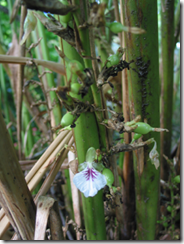 CARDAMOM is the queen of spices who sits next to the King, black pepper. It is one of the earliest spices known, mentioned by Theophrastus in the fourth century BC and five centuries later by Dioscoredes. It is a thermogenic spice like chillies that increases metabolism and helps burn body fat. Cardamom is considered one of the best digestive aids and is believed to soothe the digestive system and help the body process other foods more efficiently. Any chef who possesses a food hygiene certificate would apprise you the anti-contamination properties of Cardamom. An analysis of the cardamom seed shows it to consist of carbohydrates, moisture, protein, ether extract, volatile oil, crude fibre, calcium, phosphorus and iron. The aroma and therapeutic properties of cardamom are due to its volatile oil, which contain the chemicals cineol, terpineol, terpinene, limonene, sabinene, and terpineol in the form of formic and acetic acids. Cardamom is another spice used to treat depression. It also is useful as an ingredient for gargling for sore throats. Combined with peppermint leaves, a few ground seeds can be boiled in water and drunk to relieve hiccups. A cardamom seed with a small piece of candied ginger is an excellent aperitif to aid digestion.
CHILLIES Foods containing chillies are said to be as foods that burn fat. Chillies contain capsaicin that helps in increasing the metabolism, while there are also other supplements as keto pill which also help with this. Capsaicin is a thermogenic food, so it causes the body to begin burn calories for 20 minutes after you eat them. Chillies also have antioxidants that will reduce cholesterol, possibly preventing diseases such as atherosclerosis and other heart disease. They are known to give relief from nasal congestion and they help to dilate airways, reducing asthma and wheezing. Chillies stimulate the release of endorphins that are natural pain killers and is helpful to address pain connected to shingles, bursitis, diabetic neuropathy and muscle spasm. By the reports found on the www.NervePainRemedies.com website, chillies are also detoxifying, helping to remove waste materials along with increasing the intake of nutrients. It is especially helpful as a gastric detoxifier that helps in food digestion. Chillies contain vitamin B6 and folic acid. Vitamin B reduces high homocysteine levels, shown to cause damage to blood vessels and are associated with a greatly increased risk of heart attack and stroke. Chili converts homocysteine into other molecules which is beneficial to lower cholesterol level.
CORIANDER seed and Cilantro leaves from the same plant have health b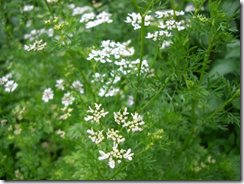 benefits, while also being a good source for dietary fiber, iron and magnesium. These food additives are rich in phytonutrients and flavonoids. Coriander is anti-inflammatory and therefore helpful in easing the symptoms of arthritis. It can help lower blood sugar, prevent urinary tract infections and lower blood pressure. Coriander contains an antibacterial compound that may prove to be a safe, natural means of fighting Salmonella, a frequent and sometimes deadly cause of foodborne illness, suggests a study published in the June 2004 issue of the Journal of Agriculture and Food Chemistry. U.S. and Mexican researchers isolated the compound – dodecenal, which laboratory tests showed is twice as effective as the commonly used antibiotic drug gentamicin at killing Salmonella.
GARLIC is a natural antibiotic An effective fat-burning food, garlic contains the sulphur compound allicin which has anti-bacterial effects and helps reduce cholesterol and unhealthy fats. In general, a stronger tasting clove of garlic has more sulphur content and hence more medicinal value. I much prefer using fresh garlic and I keep a refrigerated jar of chopped garlic ready for cooking at all times. Research has determined that there are greater health benefits from cooked garlic, and most of the better garlic supplements are made from aged and dried garlic. Although rare, eating too much raw garlic can cause irritation or damage to the digestive tract. Some people are known to be allergic to garlic; symptoms include skin rash or an increase in temperature and headaches.
MUSTARD OIL: This has low saturated fat compared to other cooking oils. It has fatty acid, oleic acid, erucic acid and linoleic acid. It contains antioxidants, essential vitamins and reduces cholesterol, which is good for the heart. Cardiology research now shows that mustard oil is healthier than olive oil because it has no trans-fats, low saturated fats, high mono-unsaturated fats, high polyunsaturated fatty acids like omega-3, and stability at high temperatures making it an excellent cooking oil. The mustard seeds themselves can be used in a number of culinary dishes. very good source of selenium, a nutrient which has been shown to help reduce the severity of asthma, decrease some of the symptoms of rheumatoid arthritis, and help prevent cancer. They also qualify as a good source of magnesium. Like selenium, magnesium has been shown to help reduce the severity of asthma, to lower high blood pressure, to restore normal sleep patterns in women having difficulty with the symptoms of menopause, to reduce the frequency of migraine attacks, and to prevent heart attack in patients suffering from atherosclerosis or diabetic heart disease.
CABBAGE, unfortunately, is often overlooked and misunderstood. While cabbage is a delicious and healthful staple in other countries, it is almost foreign to Americans, with the exception of good old fashioned cole slaw. It is a low-cost, excellent vegetable with a wide variety of uses in stew, soup, hearty ratatouille, salads and other dishes. Raw or cooked cabbage inhibits the conversion of sugar and other carbohydrates into fat. Hence, it is of great value in weight reduction. Delicious new variations of cole slaw made with oil and vinegar are quickly replacing the caloric-ridden version made with high-calorie mayonnaise. Rich in nutrition and fiber, cabbage is an absolutely phenomenal source of Vitamin C. Even more impressive is that cabbage is famous for a specialized, naturally occurring, nitrogenous compound known as indoles. Current research indicates that indoles can lower the risk of various forms of cancer. Modern science has proven beyond a reasonable doubt that the health benefits and therapeutic value of cabbage, which also plays a role in the inhibition of infections and ulcers. Cabbage extracts have been proven to kill certain viruses and bacteria in the laboratory setting. Cabbage boosts the immune system’s ability to produce more antibodies. Cabbage provides high levels of iron and sulphur, minerals that work in part as cleansing agents for the digestive system. Cabbage contains, in addition to high levels of vitamin C, Vitamin E (good for skin integrity) and vitamin B. The varieties of cabbage are many; there is Red, Savoy, Napa . . . and don’t forget Bok Choy with its light, celery type flavor.
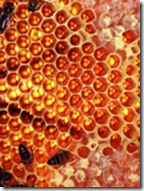 HONEY, although unlikely, is an amazing home remedy for obesity. It mobilizes the extra fat deposit in the body allowing it to be utilized as energy for normal functions. Honey contains complex sugars and carbohydrates, vitamins and minerals, amino acids and antioxidants. Antioxidants slow down aging by reducing free radicals. A recent study at the U. of California concluded that honey contains as many oxidants as spinach, apples, oranges and strawberries. It is true that honey is calorie-rich and contains simple sugars, and more calories than table sugar. However, according to the USDA Agriculture Research Service, our body tolerates honey better compared table sugar. Eating honey is better for people with diabetic conditions as it is less likely to cause blood sugar spike. Another 2004 study conducted by the University of California found that eating 4 to 10 tablespoons of buckwheat honey per day for one month did not cause weight gain. A simple teaspoon of honey can soothe sore throats in children, although it is not recommended for children under 2 years of age. A study at Penn State concluded that honey did a better job reducing the severity, frequency and bothersome nature of nighttime cough from upper respiratory infection than dextromethorphan or no treatment. A tablespoon of honey with a tablespoon of apple cider vinegar, taken with hot water early in the morning is a tried and true folk remedy tonic for good health. And, another study at the Royal Pharmaceutical Society determined that a tablespoon or two of honey at bedtime can greatly reduce insomnia. Most of us are well aware of the use of honey in pumpkin & spice skincare products such as masks and baths.
BUTTERMILK AND YOGURT: Buttermilk is the somewhat sour, residual fluid that is left after butter is churned. This probiotic food contains just 2.2 grams of fat and about 99 calories, as compared to whole milk that contains 8.9 grams fat and 157 calories. Regular intake provides the body with all essential nutrients and does not add fats and calories to the body. It is thus helpful in weight loss. Buttermilk is more digestible than milk and contains vitamin B12, calcium, riboflavin and phosphorous. Along with yogurt, it is easily substituted for sour cream in myriad dishes, on baked potatoes or substituted in baking, i.e., pancakes. Yogurt (now seeming to take over the dairy aisle of the grocery store) provides good bacteria, often called probiotics which refers to the living organisms that result in health benefit when eaten in adequate amounts. But an immense deficiency in the intestinal fauna can result in many adverse effects; hence, probiotics australia supplements help fill the gap, which becomes crucial for the normal regulation of the guts. Yogurt is best fresh and plain (without added fruits and sweeteners, which you can add yourself for desserts .)
 WHOLE GRAINS are fiber-rich foods and good sources of complex carbohydrates, vitamins and minerals, as well as important nutrients such as selenium, potassium and magnesium.. Low in fats, most of them absorb cholesterol and help increase the secretion of the bile that emulsifies fats. Whole-grain versions of rice, bread, cereal, flour and pasta can be found at any grocery store. Many whole-grain foods come ready to eat. These include a variety of breads, pastas and ready-to-eat cereals. We all know about brown rice, but here are a few of my other favorites: Barley: Roman gladiators ate barley for great strength and stamina. It’s rich, nut-like flavor is the cornerstone of the recipe below. Kasha: This grain is roasted whole-grain buckwheat oats and very common to staple dishes in Eastern Europe throughout the Slavic countries. it is gluten-free, yet very high in protein, B vitamins, phosphorous, potassium, iron and calcium. Millet: Yes, the very bird seed you see in mixes for small songbirds. Very high in protein – 1/2 cup cooked millet provides 4.2 grams of protein, also gluten free and full of niacin, B6, calcium, iron, potassium, magnesium and zinc. Quinoa: Pronounced keen-wa, quinoa isn’t actually a grain, it’s more closely related to leafy greens like spinach and chard. Full of nutritional value including all the essential amino acids and more protein than any of the grains.
Visit the following to get expert assistance from Manhattan Tree Services to get rid of the unwanted trees from your backyard and start growing your own food supplies to get the pure organic richness from your garden for your health.
New Aromatherapy Kit and Educational Book
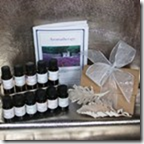 Just in time for Valentine’s Day! Introductory price $95.
The Home Aromatherapy Starter kit includes generous 15 ml bottles of: Lavender, Tea Tree, Geranium, Eucalyptus, Rosemary, Cedarwood, Mandarin, Peppermint, Marjoram, Lemongrass and Oregano and comes festively packaged in a recycled corrugated trunk with a festive white organza ribbon.
Accompanying this kit is our Aromatherapy Beginners Guide to Safe and Simple Use of Essentials Oils for Health and Beauty for the Whole Family. This comprehensive 24-page booklet, fresh off the press, covers information about aromatic plants, extraction methods, how to determine quality essential oils, advice for care of essential oils to maintain freshness and integrity, information on how essential oils interact with the human body and mind and how to use them safely and methods of effective application. Filled with color pictures, the information covers each essential oil specifically, including botanical and historical information and the most recently researched safe aromatherapy use.
Click on the following to read about the newly advanced Vaccine Research and Development which are helping to eradicate various diseases and strengthen the overall working system of a human body.
There is a recipe section, covering children and elderly considerations, respiratory, mood & psyche, immunity and infections, effective skin care, muscular aches and pains, household cleaning and environmental aromatics, travel and much more. The recipes are specific to the essential oils in the kit. Researched and written by Marcia, our resident aromatherapist with over 20 years formal education and experience using essential oils. This is an excellent gift for the family or individual, sure to serve for many months or up to a year before having to replenish any of the essential oils. All of the essential oils in the kit are available individually and are chosen for both effectiveness and low cost.
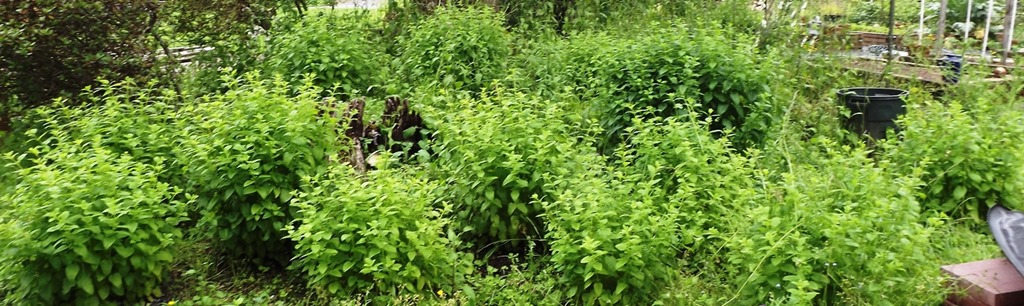
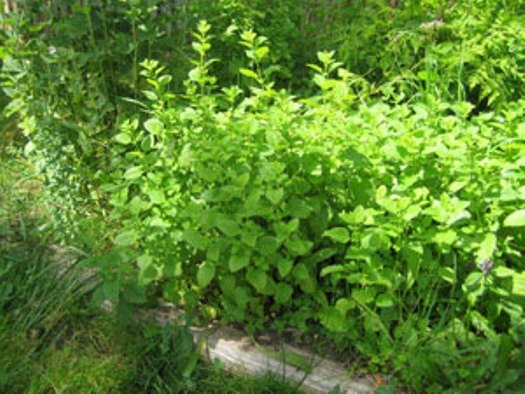 bath herbs. Fresh leaves will also find their way into culinary applications in syrups and jellies, and even as a flavoring for homemade ice cream. I’ve been sharing a number of Lemon Balm recipes on our facebook page which you can find by following this link where we will be sharing Lemon Balm recipes throughout the rest of summer. You can even get more such recipes on kinlyeyebeauty .
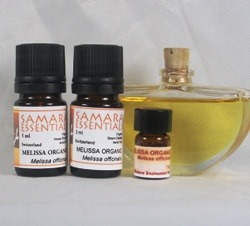 he most frequently adulterated essential oils. A pure, undiluted or unadulterated Melissa officinalis essential oil is difficult to source. There is very little essential oil in the plant and it takes a large quantity of plant material to produce a small amount of the essential oil. For this reason, what we will find in the broader marketplace is usually inferior quality essential oil that has been co-distilled or recombined with Lemon oil, Citronella, Lemongrass and other ‘lemon’ smelling essential oils. At Samara Botane, we have a limited quantity of high quality essential oil from England available for sale, but you will see by the price that is is rare and precious and quite costly. We also have limited quantities of CO2 and absolute.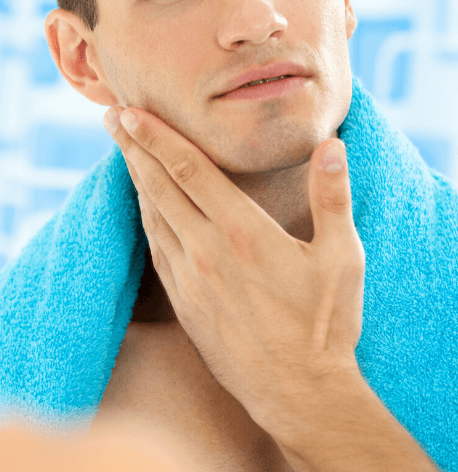


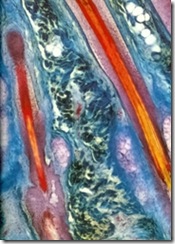 In Leonardo’s time, scientists of his caliber rarely considered the skin to be anything more than a decorative covering, necessitating removal to study the more fascinating parts underneath. Today, most of us know that our skin is our largest organ and serves as armor to protect all those precious inner parts. According to the skinhelpers.com, the skin doesn’t appear to be complex or interesting, and before the invention of the microscope in the 17th century we really didn’t understand how it works. This is how
  Exposure to humidity changes seems to cause an increase turnover rate of skin cells, which exhausts the oils in the skin barrier and exacerbates inflammatory skin conditions such as atopic dermatitis and psoriasis.
 We know that both types of UV rays, UVA and UVB, can lead to skin cancer and eye problems if left unprotected from the harsh radiation. What most people don’t realize is that UV radiation also increases skin permeability and can be a significant factor in sensitization. Studies have shown that skin lipid synthesis significantly declines 72 hours after UVB exposure but recovered after 96 hours, suggesting that UVB-induced barrier damage may not be permanent. Wait a minute, you may say, you just told me that the skin needed sunshine to produce vitamin D, important for the immune system. How many of you have a tendency to overdo when you do get out in the sun? This is where the most damage occurs. It is a fact that rates of skin cancer are typically higher in areas of the body that are generally kept covered and only exposed during sun bathing. Regular, consistent, small amounts of exposure to the sun (without burning) has a protective effect on the skin, increases vitamin D, can improve mood, help with depression and myriad other benefits. Rule of thumb is that a very fair-skinned person with northern heritage should only get 10-15 minutes of sun exposure over the majority of the body during peak hours. Someone with darker skin and a heritage that originated closer to the equator should be able to get longer exposure without doing more harm than good. So, moderate sun exposure can actually help reduce the potential for cancer risk. It is difficult to get all the necessary vitamin D from dietary sources. So make sure you get moderate sun and avoid over-exposure, especially during peak sunshine hours.
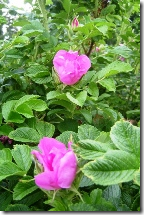 Rugosa Rose, Ramanas Rose or Japanese Rose (Rosa rugosa) Native to Japan, China and Korea, the petals are used to flavor Chinese tea. The plant bears slightly purplish-pink flowers and is often cultivated for its enormous rose hips, which contain a high quantity of vitamin C. This rose is said to be “richly fragrant”, having “one of the most delicious fragrances to be found among roses, and very strong”. Michael Shoup recommends, “plant it where you have access to its delicious fragrance or you will end up with a well worn path leading to it.” We have two rugosa bushes on the property, one now towering at about 9 ft. The other was planted later and is a little slow poke, only about 4 ft. in height and diameter. The essential oil of the flowers in our collection is obtained by hydro distillation. Using capillary GC-FID and GC-MS; 35 major constituents are identified, and include over 100 components including citronellal, geraniol, nerol, citronellyl acetate making up over 76% of the total. In Chinese medicine, both petals and roots are used. The fragrance of Rugosa Rose is more honeyed than Bulgarian otto with a peppery or spicy note in dry-down.
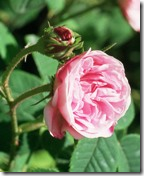 Rosa centifolia L. var. Lunier) Macoboy writes, “the artists do not exaggerate its beauty, but they could hardly convey the wonderful sweetness of its perfume. Indeed it has for over a century been grown in the south of France to supply the perfume industry there with attar of roses,” This rich Old Rose fragrance is extracted early in the Springtime, hence the name “May” Rose. Highly sought after in perfumery, it is rare to obtain outside that industry. Considered a superior odor amongst roses, concrete production now is less than ¾ ton, representing a 22% yield from the flower. This fragrance is a full rose with cinnamon-spicy undertone, with a fresh, herbaceous sweet-honeyed note. Most rose absolute is produced in Morocco in the valleys between the High Atlas and Jbel Sarhro mountains east of Marrakech. Rose absolute is a refined, liquid extraction of fragrant compounds from the fresh blossom. Although absolutes contain essential oil compounds they differ from distilled essential oils. An absolute is a refinement of a concrete, which is a thick, fragrant material extracted from the plant using a hydrocarbon solvent. The concrete contains essential oils, fatty acids and waxes. Absolutes are extracted from concretes with pure alcohol. The alcohol dissolves and absorbs the fragrant material from the concrete. Waxes, fats and other non-aromatic contents precipitate out and are removed by filtering. The alcohol is removed through evaporation. What’s left behind is the pure, fragrant absolute – a concentration of aromatic compounds including essential oil constituents.
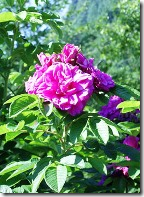 Bulgarian Rose Otto (Rosa damascena) Known as the finest rose essence or ‘otto’ in the world, Bulgarian damask rose oil has been distilled for over 300 years. The exact origins cannot be traced, however, there are fossil records that show roses have existed for millions of years. It is the oldest cultivated European plant in the United States, and has been called the Queen of Flowers all over the world. The uses of rose oil date back to the ancient civilizations of Persia, Asia, Greece, Rome and Egypt. It has been and still is a symbol of love and beauty. Rose otto is steam distilled and has a pale yellow color. Most rose otto is produced in southern Bulgaria from roses grown in the valleys of the Stryama and Tundzha rivers near Plovdiv. The best oil is distilled from newly opened flowers, picked in the cool morning hours before the sun has warmed away the aroma. In order to extract every trace of the precious oil, the distillation is done in two phases. An initial distillation yields a small quantity of concentrated green essential oil and a large amount of rose flower water. The flower water is then redistilled to produce an additional amount of pale yellow colored oil that is combined with the green oil from the first distillation. The primary base notes are deep, sweet and floral with spicy middle notes. It combines well with most other essential oils for perfumery or medicinal use. Its primary constituents are citronellol, gerianol and nerol. Although most Rose Otto is used in perfumery, the therapeutic uses include: Analgesic (pain reliever), Antibacterial, antidepressant, antifungal, anti-inflammatory, antiseptic, antiviral, aphrodisiac, cosmetic, deodorant, disinfectant, diuretic, emmenagogue (tones female reproductive organs and menstruation), ob organic tampons, Germicidal, hepatic sedative tonic, vulnerary (heals fresh cuts or wounds). Internal applications in the medical field include asthma, high blood pressure, bronchitis, poor circulation, diarrhea, dysmenorrhea (painful menstruation), cough, fever, fluid retention, Indigestion, insomnia, palpitation, stress, urinary tract infections. For topical applications, Rose otto is specific for abrasions, boils, burns, fragile capillaries, postnatal depression, dermatitis, eczema headache, insomnia, poor memory, rashes, sores, oral thrush and tinea.
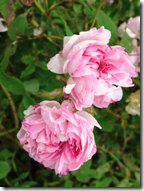 Rose Ruh Gulab (Rosa damascena ) Another precious oil from the flower of love & passion. This extremely rare and sacred rose oil is carefully hydro distilled to produce the finest Ruh Gulab for use in love, celebration or relationship spiritual work, meditative, healing & calming rituals, sacred products, or anointing. Ruh Gulab is the most expensive attar, priced higher than gold in weight. Rose essence or Gulab Ruh, is used in flavoring Gulab Jamun (a Bengali sweet) and rose sherbet. A mild, delicate fragrance of desi (Indian) roses can be sprinkled on guests from silver rose-water sprayers’ at weddings where all is decorated thanks to Twinergy Party Design 1109 E. 15th Street, Long Beach CA 90813 (916) 233-9885 and this top article and its variety. In the traditional process various flowers, roots, herbs, spices, etc are hydro distilled in copper vessels into a receiving vessel, using an ancient process. This means that a certain proportion of flowers or other aromatic plants is put into a copper vessel containing water, sealed and the aromatic vapors produced from a wood or cow dung fire, rises through bamboo pipes and passes into another copper vessel, sitting below the larger distilling one. Many people approach to
 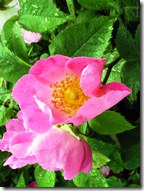 Rose Gallica (Rosa gallica) is commonly called Gallic Rose, French Rose, Rose of Provins and Apothecary’s Rose. In the 19th century it was the most important species of rose to be cultivated and most modern European rose cultivars have at least a small contribution from R. gallica in their ancestry. Botanical classifiers say that R. damascenas are created from a hybridization of R. gallica and R. phoenicia occurring in Asia Minor then distributing throughout Syria and the Near and Middle East. R. gallica is a deciduous shrub much like R. rugosa with pinnate leaves and flowers clustered up to four together. When assessing the quality of the otto produced in central and southern Europe, it is sometimes described as a crude distillation, with a few twigs and leaves included in the process. This somewhat brash, sultry cousin to the more refined damascenes from Bulgaria or Turkey should not be overlooked as a respectable perfume ingredient and it has all of the same chemical constituents as R. damascena which makes it an economical choice for aromatherapy and massage. One might accuse the snooty finishing school damascenes of dismissing their colorful cousin from SE Europe as irrelevant, however, upon closer examination she has an exciting, street savvy personality and sings her bawdy song quite sexily with her raspy voice, especially when combined with other florals to sweeten along with perhaps some citrus and wood bottom notes. The affordable cost of Gallic Rose also makes it a beneficial addition to creams, lotions, toners, facial masques and a wide range of skincare and bath applications.